About This Cut
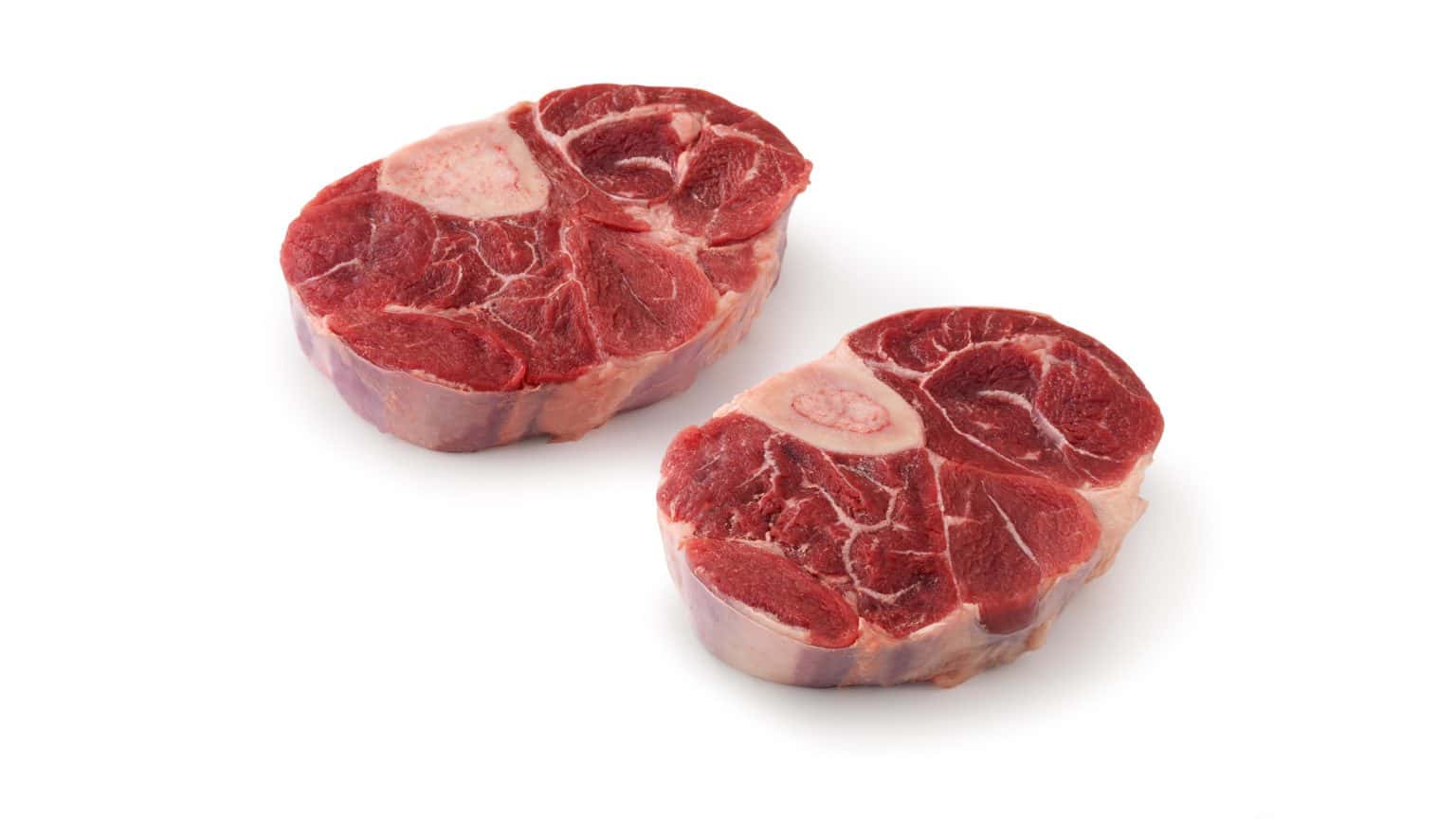
The shank comes from the lower leg of the cow — one of the most heavily exercised parts of the animal. This constant use makes shank meat extremely tough and sinewy, but also incredibly rich in collagen and flavor. When braised low and slow, the collagen converts to gelatin, resulting in fork-tender meat and a deeply savory, naturally thickened sauce. Cross-cut shank slices — sold as ossobuco — reveal a central marrow bone prized by many diners.
Commonly Used In
- Ossobuco alla Milanese (Italian braised shank with gremolata)
- Beef shank soup and stews
- Vietnamese pho (shank adds richness to the broth)
- Slow-roasted whole shank
- Beef bone broth
Fun Facts
- Ossobuco means "bone with a hole" in Italian — a reference to the marrow-filled center bone
- The bone marrow inside the shank is considered a delicacy and is often scooped out and spread on bread
- Shank is one of the most affordable cuts and rewards patient cooking with spectacular results
- The gelatin released during cooking is what gives properly made pho its silky mouthfeel
Best Cooking Methods
- Braising
- Slow simmering
- Pressure cooking
Nutrition (per 3 oz / 85g cooked)
- Calories: 171
- Protein: 26g
- Total Fat: 6g
- Saturated Fat: 2.2g
- Cholesterol: 88mg
- Sodium: 60mg
- Iron: 22% DV
- Zinc: 40% DV